
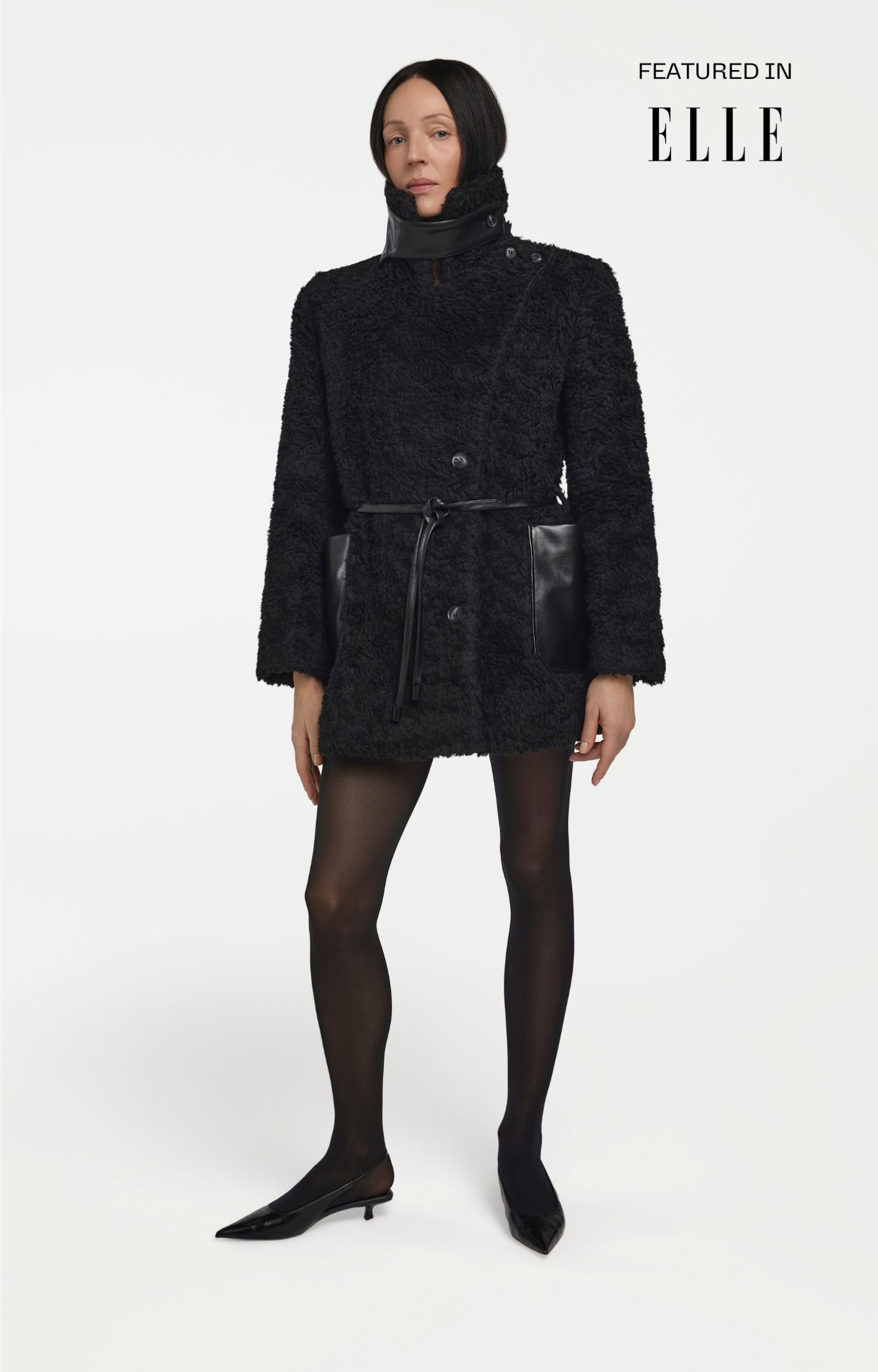



Plant-based Fur Coat – Wolfie Black
1360€
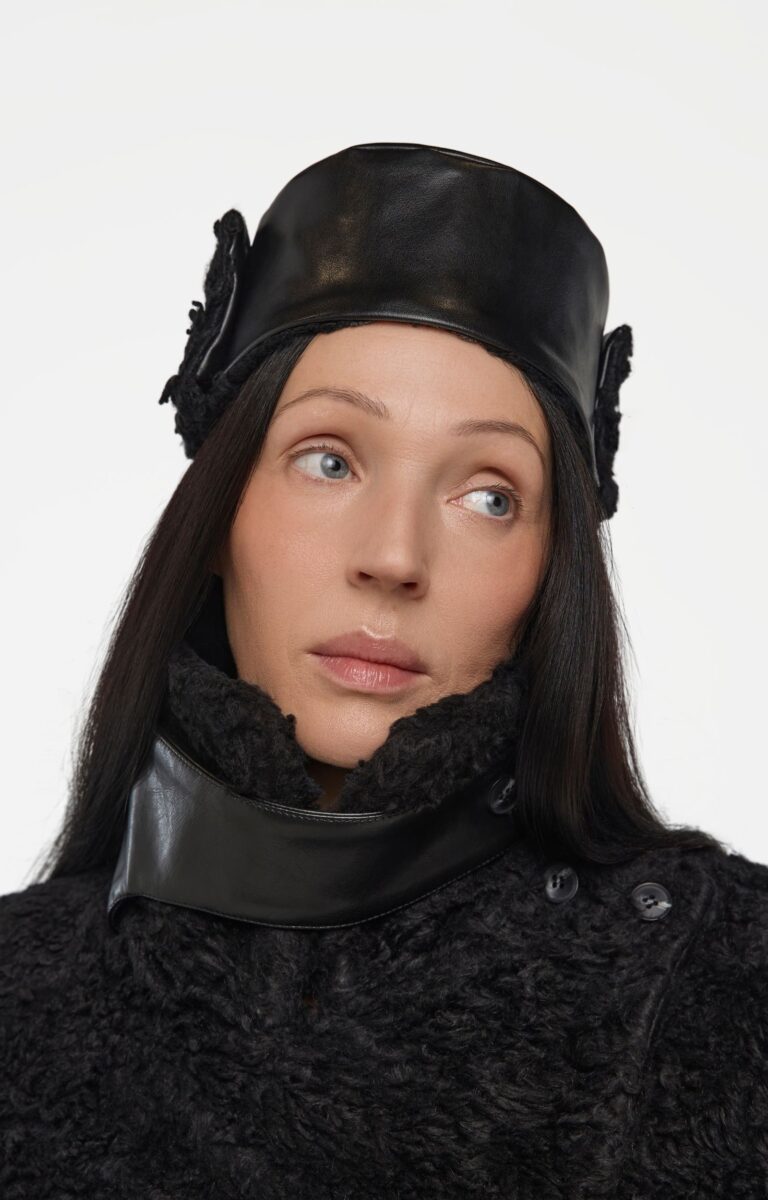
Plant-based women’s fur coat by Balsais, Wolfie is a contemporary outerwear piece made from flax-based material. As a plant-based fur coat, it offers a considered alternative to traditional fur, defined by depth of texture.
Wolfie came alive first. Something in its texture, in the way it seemed to breathe, carried the essence of the wolf: a creature felt deeply, yet never fully reached. It embodies intelligence and dominance, fierce protection and untamed freedom – all veiled in quiet mystery.
Wolfie is made in Lithuania, Europe.
Soft beneath the fingertips, the fabric weaves together every shade found in a wolf’s fur, a subtle whisper of the wild. It speaks beyond the wolf. A science-backed wolf, evoking its spirit without taking from it.
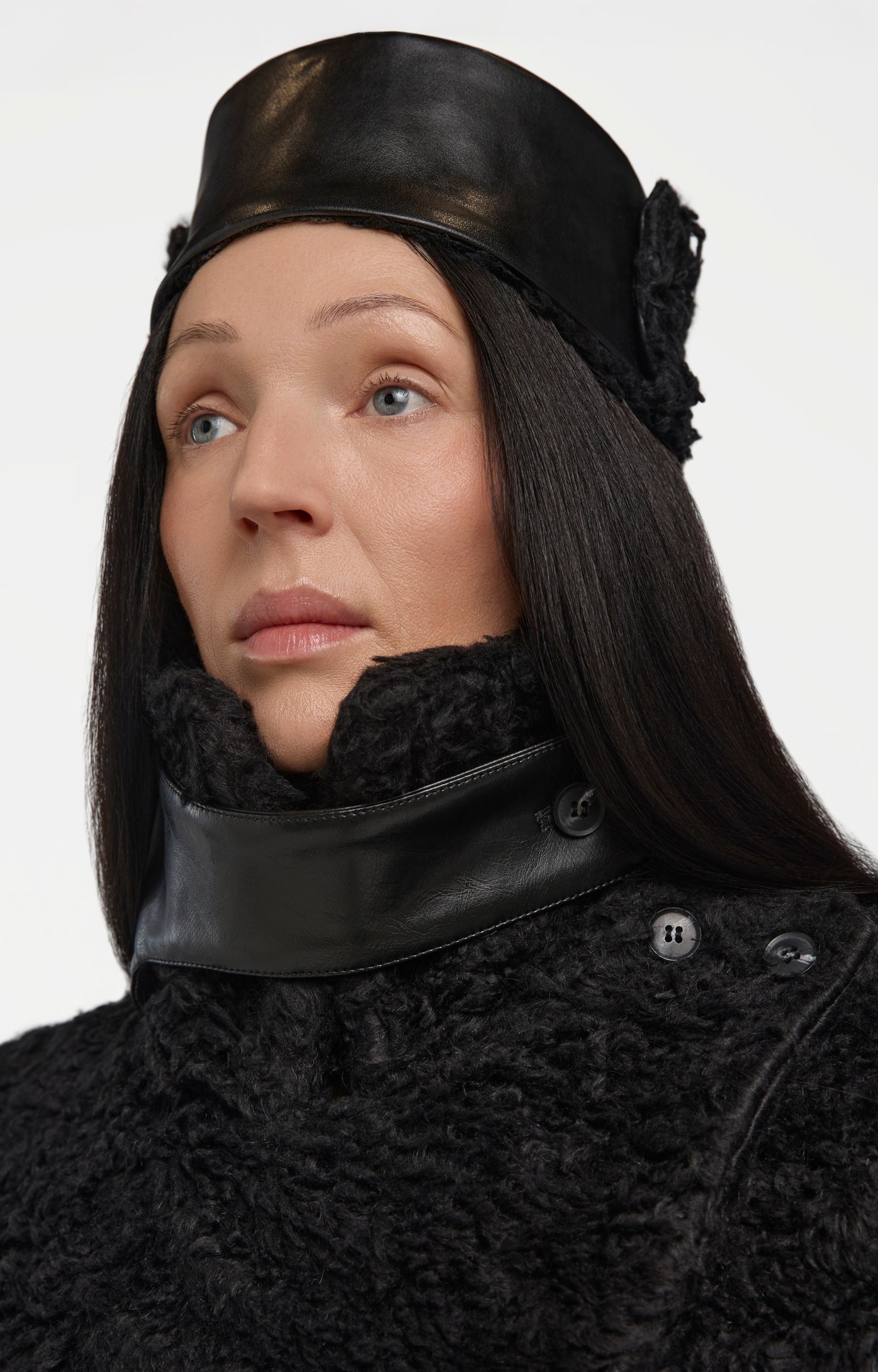
Wolfie carries the quiet weight of heritage, reinterpreted in a relaxed, contemporary silhouette. It feels as though it could have been worn by forest dwellers, now seamlessly adapted to contemporary lifestyles and aesthetics, quietly signaling intelligence and refined presence. A structured leather collar grounds the design, adding strength and definition to its fluid lines. Designed for a considered wardrobe, Wolfie balances texture, structure, and everyday wear.
The coat is crafted from plant-based materials, pairing flax-derived fur-Savian by BioFluff-with olive waste-based leather developed by Oleatex.
Beata is 177cm tall and wears size 1.
Outer layer: 60% Hemp, 40% Viscose
Details: 55% Olea-C*, 45% Bio PU
Lining: 100% Viscose
*derived from the waste products of the olive oil industry (olive pomace & other olive tree biomass) BALSAIS garments are made from exceptionally rare plant-based materials, and as such, PROFESSIONAL DRY (NON-WATER-BASED) CLEANING is the only safe cleaning method. Washing, tumble drying, bleaching, or ironing can alter the shape, texture, or color, and may change the essence of the piece itself. To preserve its integrity, we recommend no more than one professional dry clean per year, unless a visible stain demands attention.
Fur
The fur substitute, made from genuine flax fibers, is biodegradable, free from plastics and toxins, vegan, and cuts CO₂ emissions by up to 80%.
The fibers are sourced in Europe and treated with a gentle enzymatic process that preserves their natural structure. They are left in their original plant form rather than spun into yarn, and are colored using water-based dyes, with no additional chemical treatments.