
There was always that strange, almost unexplainable feeling of belonging to two places at once: the place remembered, and the place where the present insists on moving forward.

No products in the cart.

Complimentary shipping on all orders

Plant-Based Textiles: Rethinking What Fur and Leather Are Made Of

This is English version of the original ELLE Lithuania publication, March number.

PHOTOGRAPHY: EVELINA DEVEIKAITE

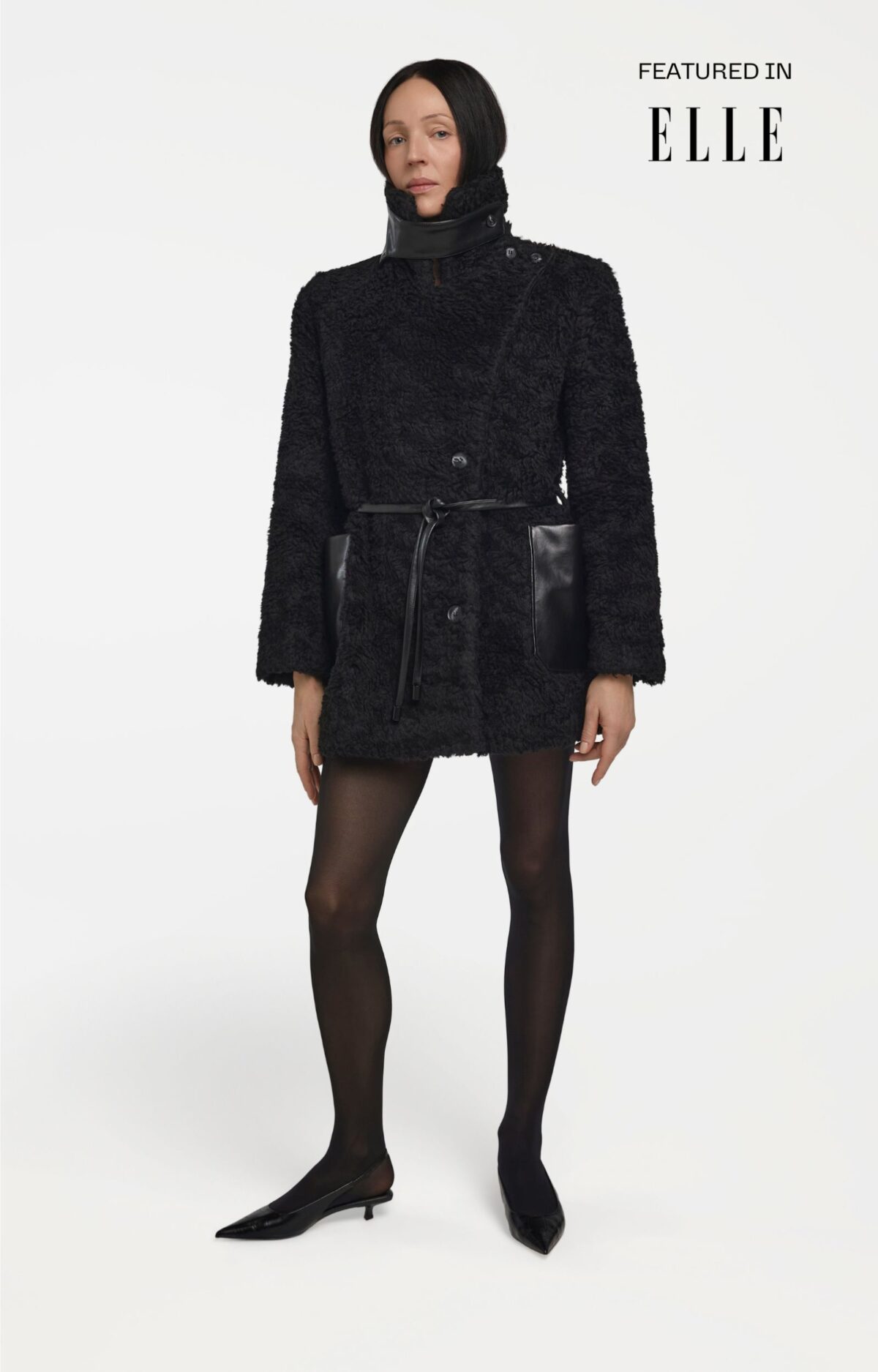
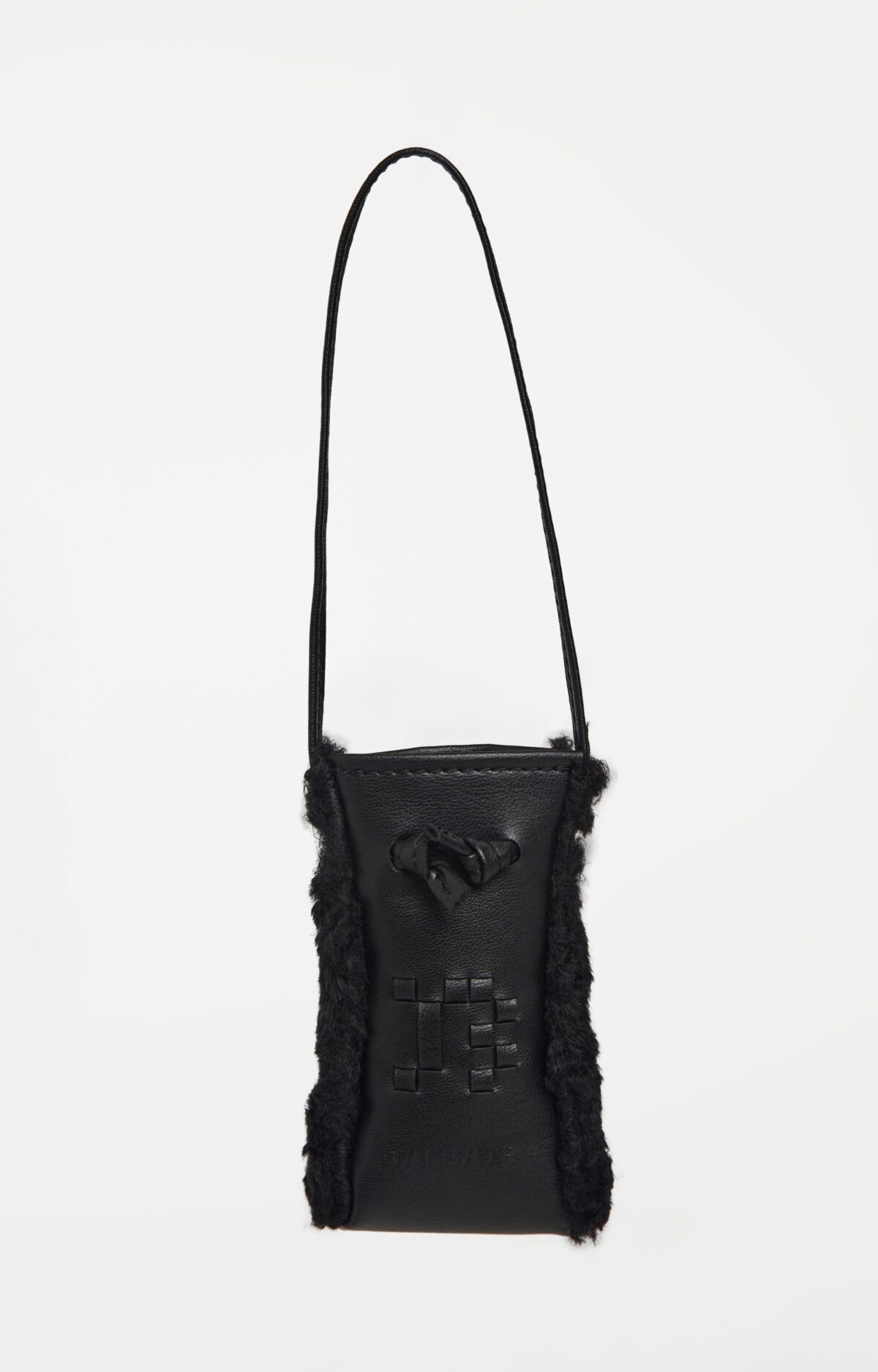
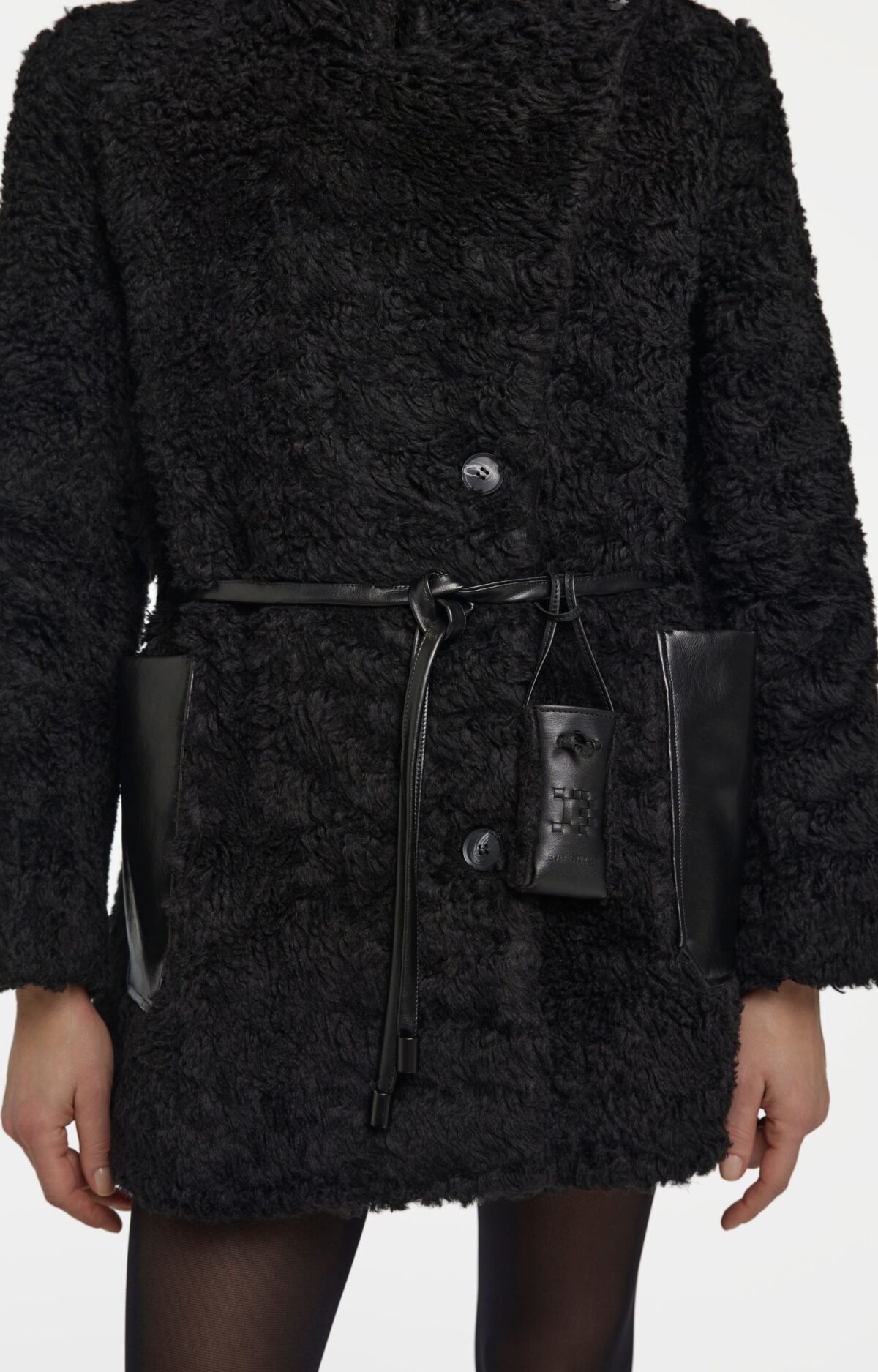
Balsais, a Europe-based plant-based contemporary fashion label, introduced the first volume of its Autumn–Winter 2026 collection in January 2026, an offering of women’s fur coats, leather jackets, and accessories. The brand stands among the first globally to develop and commercially present a collection crafted from Savian flax-based fur and, within e-commerce, the first to bring such a material to market. Its relevance lies not only in the material itself, but in the shift it signals – raising an underlying question: what, exactly, are plant-based materials, and how do they begin to unsettle everything we understood about fur and leather?

To approach this, it is necessary to first articulate what is meant by plant-based, or bio-based, materials. Derived from renewable natural sources – flax, hemp, nettle, grains – as well as agricultural by-products such as olive, banana, and apple waste, these materials, essentially, originate from plants. Through advanced material science and textile engineering, raw plant matter is reconfigured into surfaces that carry the visual and tactile language of traditional materials, while operating within an entirely different material logic. As such, they function as an alternative to animal leather and fossil-based synthetics such as polyester and conventional faux leather.

How Do Plant-based Materials Used by Balsais Come Into Being

Plant-based material development does not follow a linear path – it unfolds as a quiet negotiation between natural structure and material science. Balsais works with Savian by BioFluff, the world’s first 100% plant-based fur, derived from European nettle, flax, and hemp fibres. Rather than being spun into yarn, the fibres remain in their natural botanical form and undergo a gentle enzymatic process, preserving their natural structure. They are then gently finished with water-based dyes, requiring minimal chemical intervention, before being technologically softened – transformed into a plush, fur-like texture. Production takes place in Italy, within family-owned, multi-generational factories.

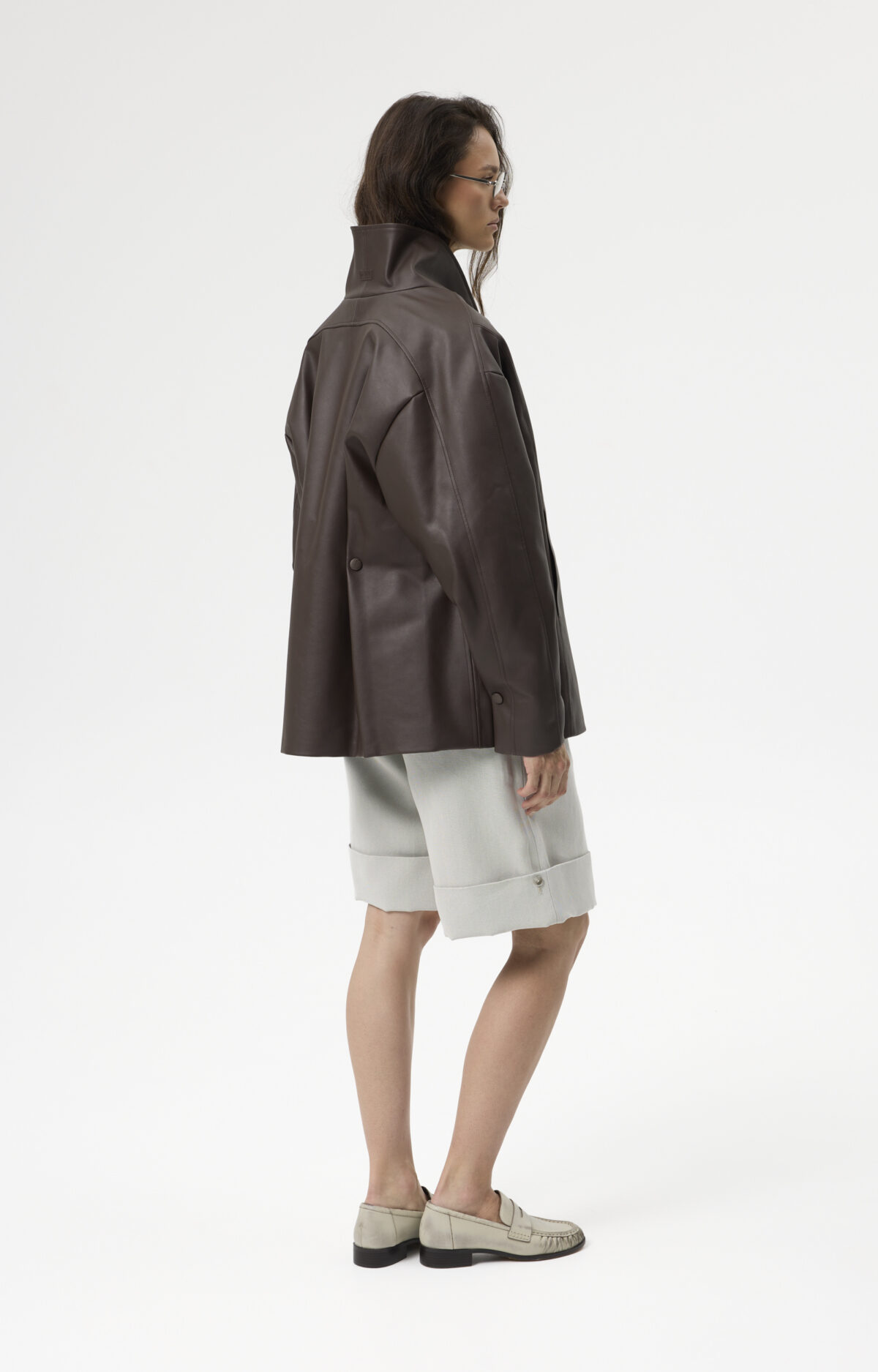
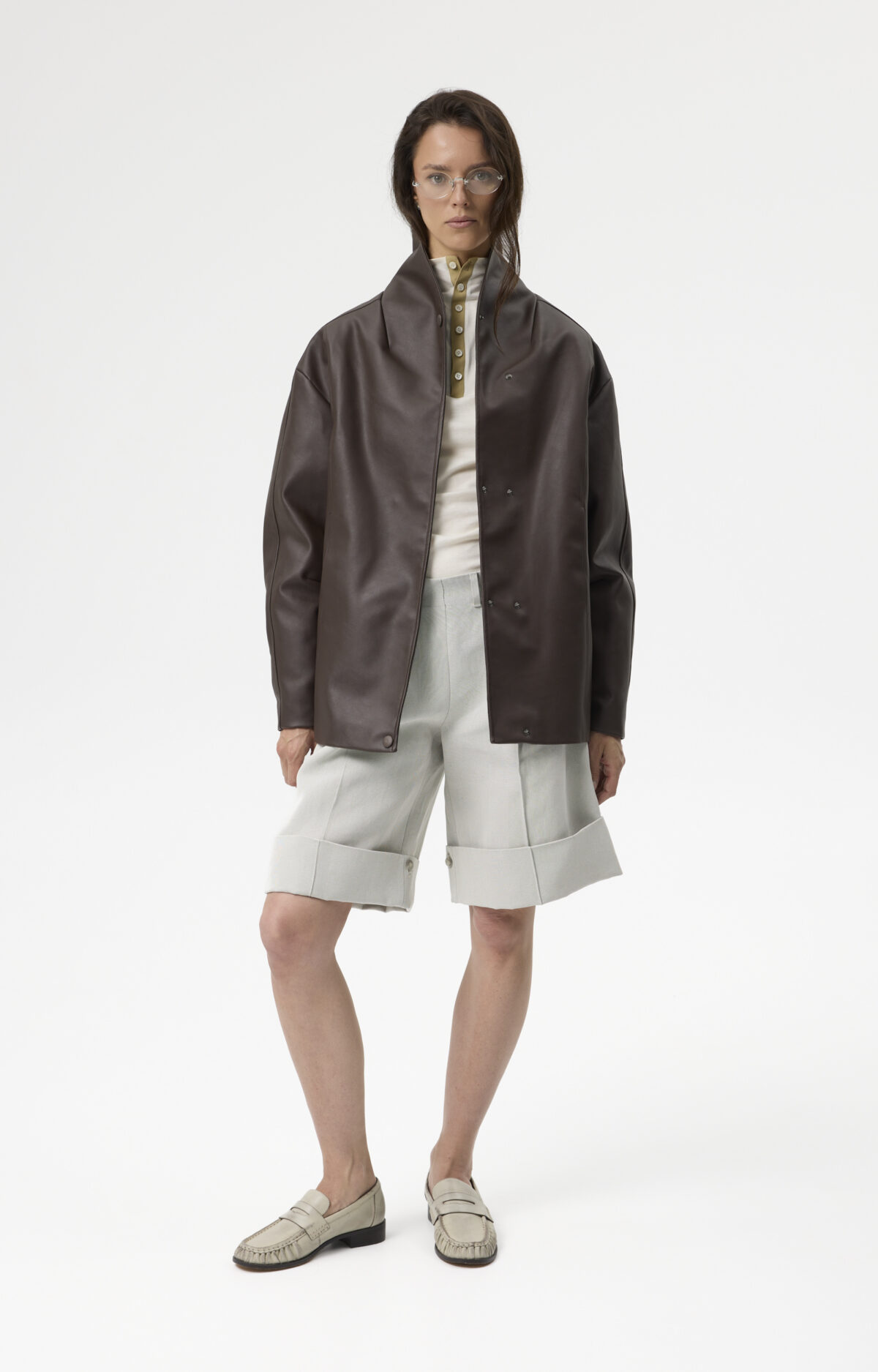
A parallel narrative defines Balsais leather pieces, crafted using Oleatex—an olive-waste-based alternative developed by Oleago. The material combines agricultural waste processing with advanced coating and polymer technologies, transforming by-products of the olive oil industry into functional components that partially replace fossil-based inputs. The process begins with olive pomace, the residue left after oil extraction, containing both liquid and solid fractions. The liquid is converted into bio-based chemical intermediates, while the solid is cleaned, dried, and refined into fine particles, later integrated into material formulations. Engineers then design coating systems that balance bio-based content with performance—flexibility, durability, and adhesion to textile backings. Before production, it undergoes technical validation to meet fashion industry standards. Through this approach, olive oil by-products are transformed into high-value materials, supporting a more circular system where waste is reconstituted into design.

Plant-based Materials: Traditional Craftsmanship or Biotechnology?

Plant-based textile innovation rarely stems from a single discipline. It emerges instead at the intersection of biotechnology, material science, and advanced manufacturing. While certain approaches remain informed by traditional knowledge of natural fibres, most next-generation materials are developed through engineered processes tailored to the specific qualities of the raw input.

Some originate from familiar plant fibres such as flax, hemp, or banana, reworked through advanced textile techniques that extend their capabilities. Flax, for instance, can be transformed to assume a fur-like structure, its surface, volume, and flexibility calibrated through precise processing technologies. Others begin not with fibre, but with residue: agricultural or food industry by-products reimagined as material inputs. In these cases, biotechnology and green chemistry take precedence, converting biomass into functional components or bio-based polymers.

While traditional textile finishing techniques such as coating, embossing, and lamination remain part of the process, innovation is increasingly driven by material science and green chemistry rather than craftsmanship alone. Researchers and engineers are not replicating tradition, but extending it, translating plant-based molecules into materials that meet fashion’s demands for durability, tactility, and aesthetic precision. Balsais offers a clear expression of this shift, incorporating olive biomass into leather alternatives used across its outerwear and accessories. Plant-based textiles, in this sense, occupy a hybrid space – where inherited knowledge quietly converges with contemporary innovation to form new material possibilities.

Beyond Ethics: What Distinguishes Plant-based Materials From Traditional Ones In Environmental Terms

The distinction from animal leather or fur extends beyond ethics into measurable environmental impact. By removing the need for livestock, plant-based materials reduce land use, water consumption, and methane emissions associated with animal agriculture. Olive-based leather alternative Oleatex by Oleago featured in Balsais collections can lower greenhouse gas emissions by more than 80% compared to conventional leather, while plant-based fur Savian by Biofluff may reach reductions of up to 95%.

From an environmental perspective, one of the most defining advantages lies in the use of agricultural residues as raw material. By transforming leftover matter from the olive oil industry into functional components, these materials support circular economy principles and reduce reliance on fossil-based inputs. They also avoid chrome tanning – one of the most environmentally intensive stages of traditional leather production.

Equally significant is material afterlife. Unlike many synthetic fur alternatives derived from plastic, plant-based fur, when not combined with persistent coatings, can biodegrade under appropriate conditions. The material matches the durability of a high-quality cotton T-shirt while remaining fully biodegradable. With proper care, it will last for years, and at the end of its use, it naturally decomposes. What emerges is not simply an alternative, but a reconfiguration of material logic, where longevity and eventual return to nature is of the same design system.