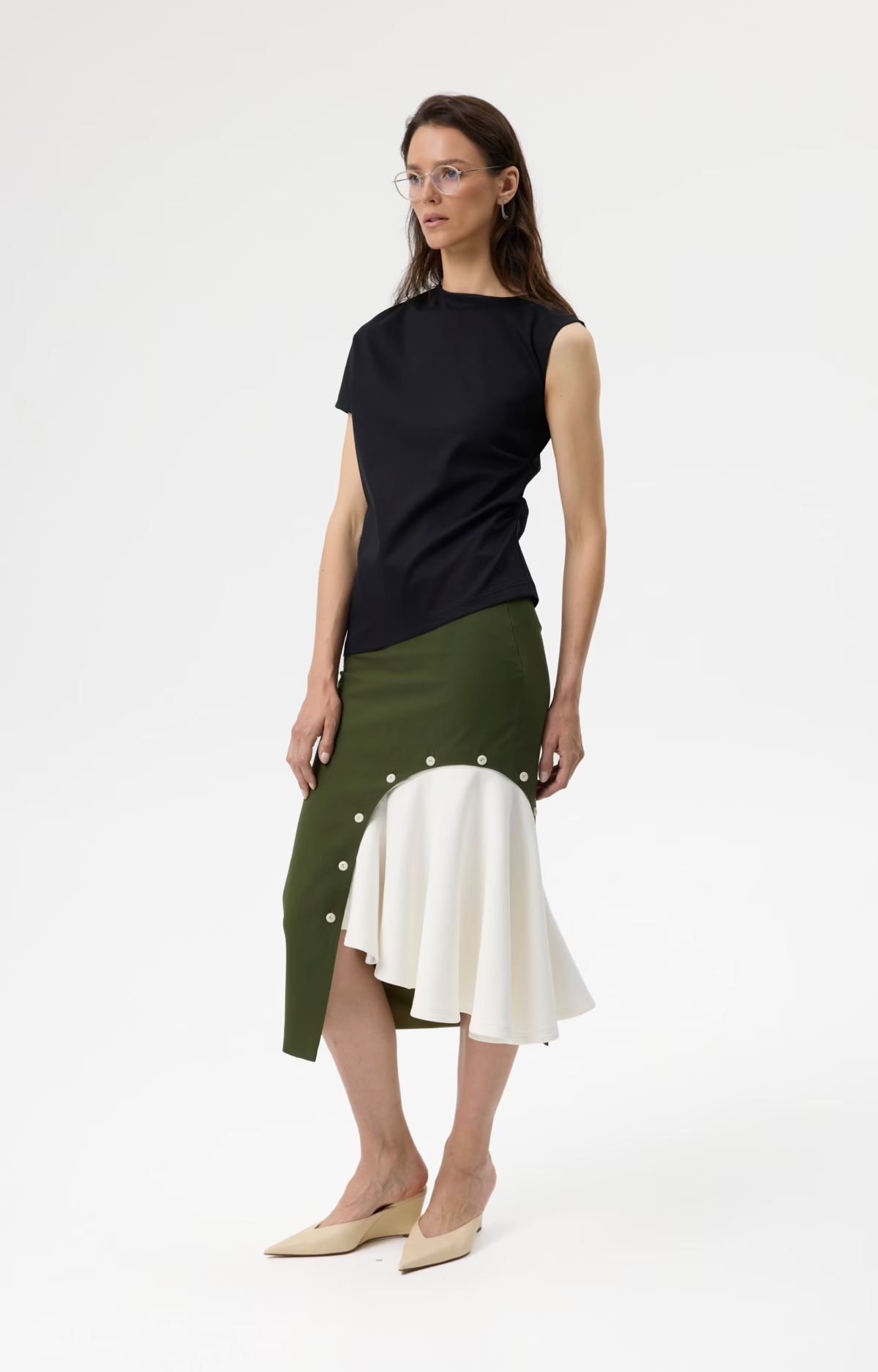
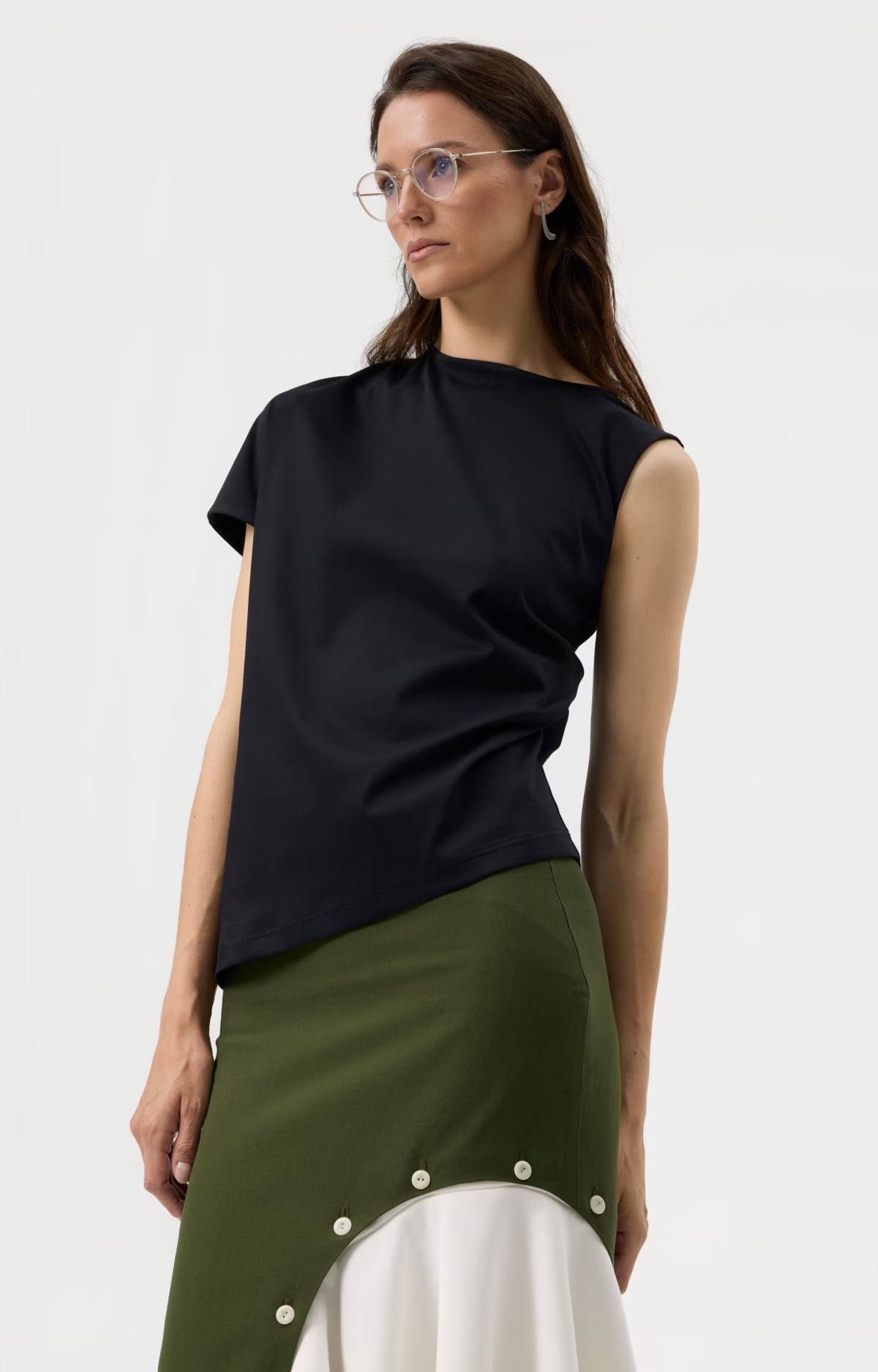
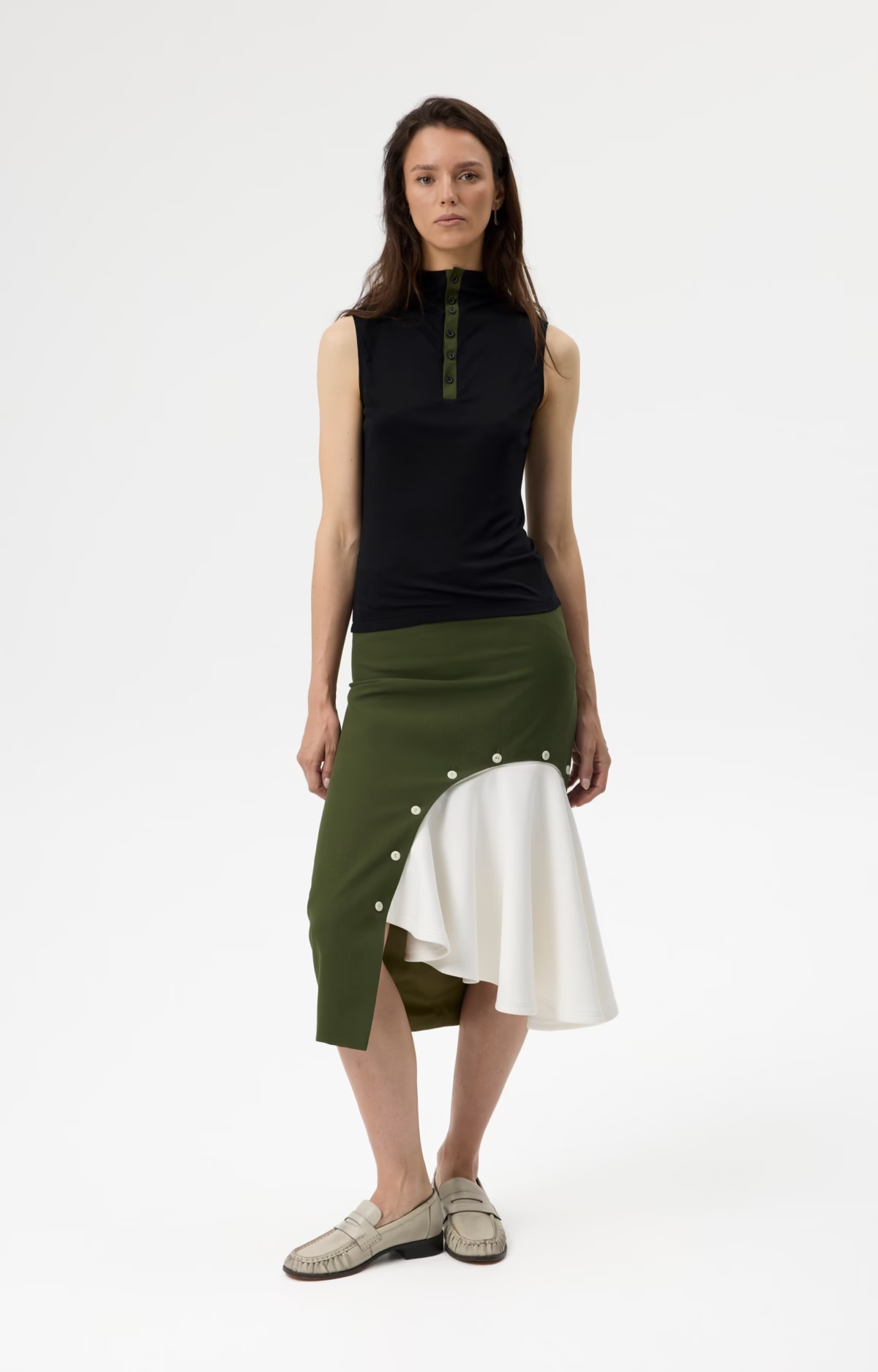
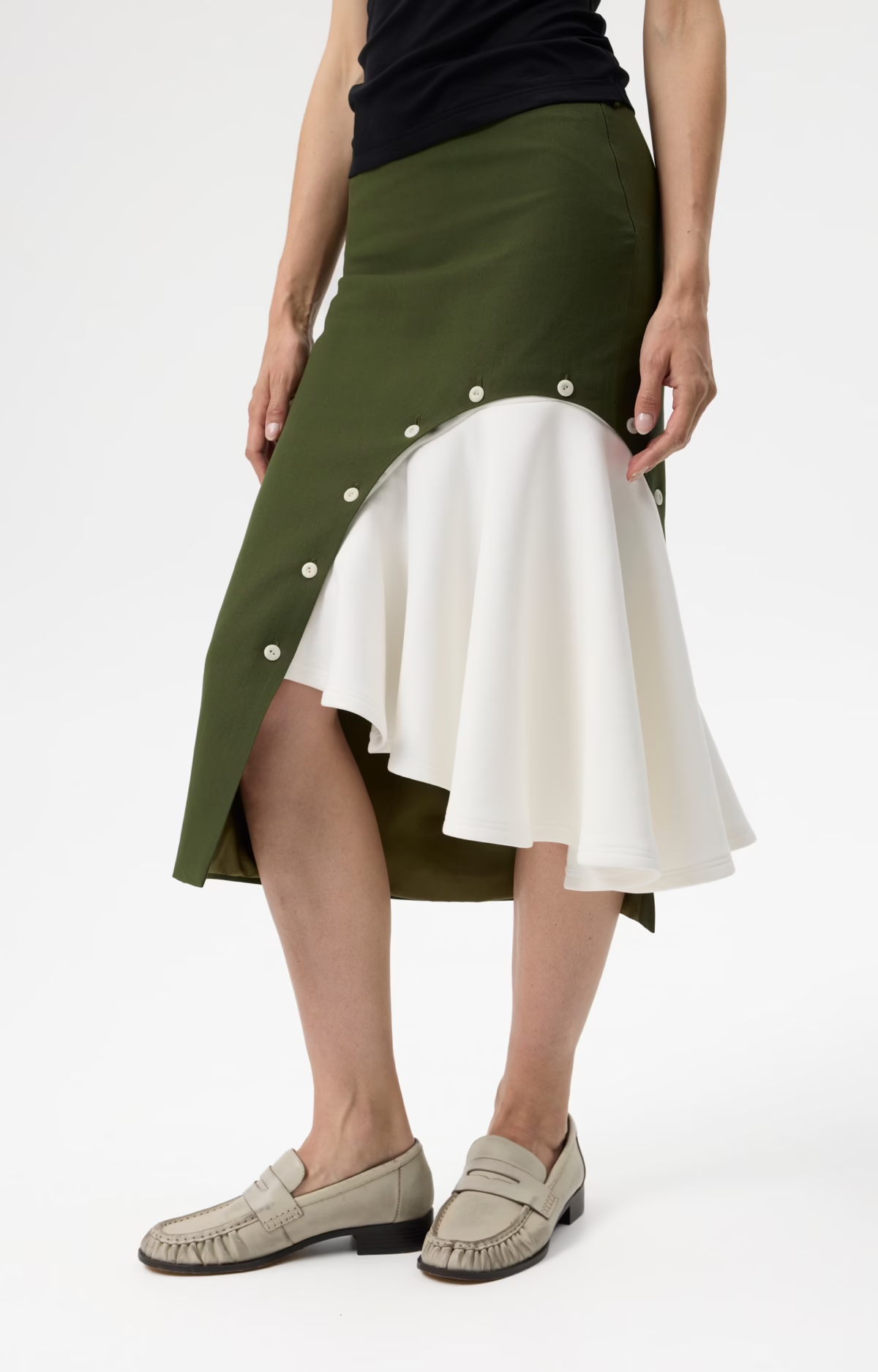
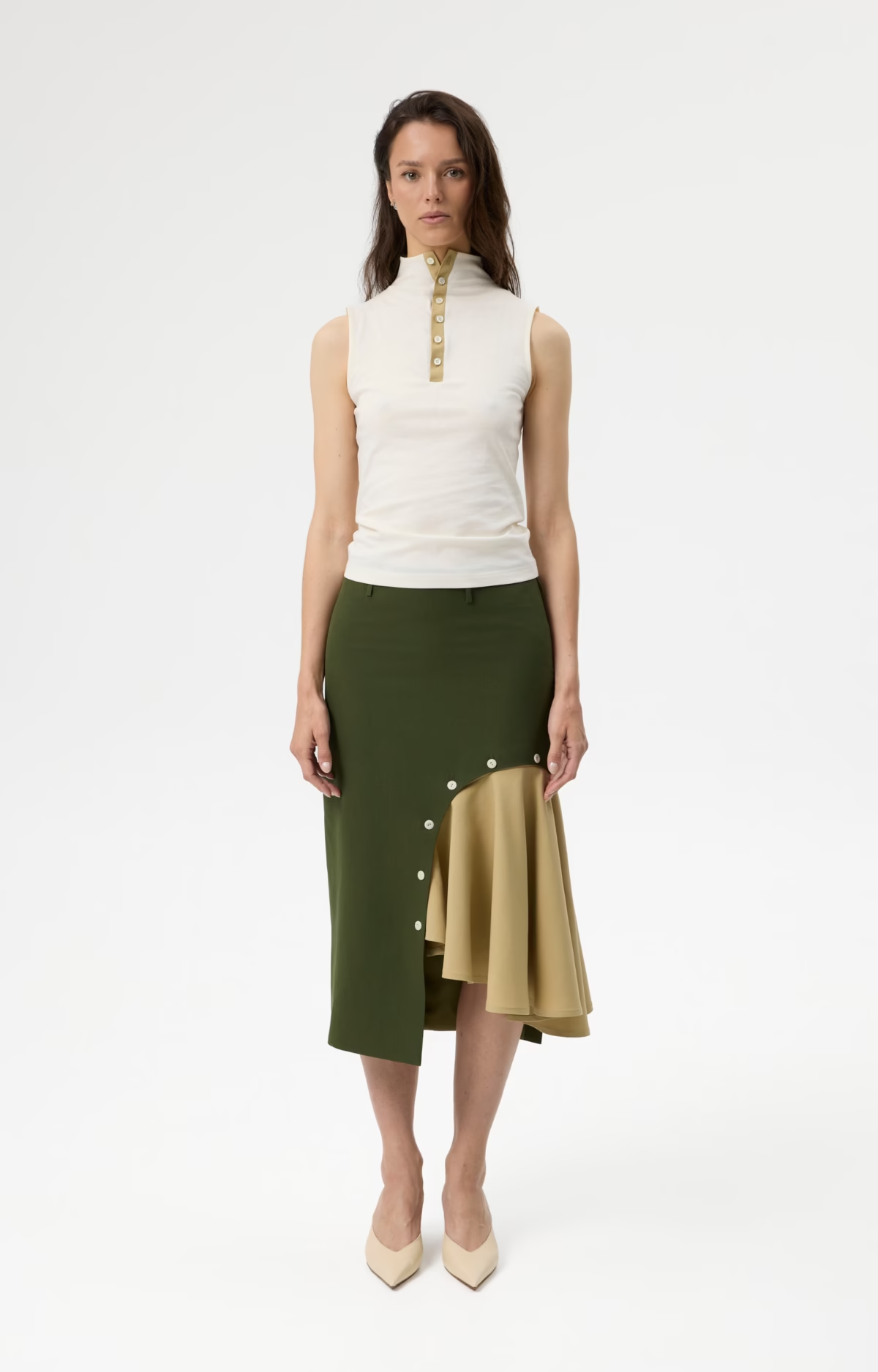
There was always that strange, almost unexplainable feeling of belonging to two places at once: the place remembered, and the place where the present insists on moving forward.
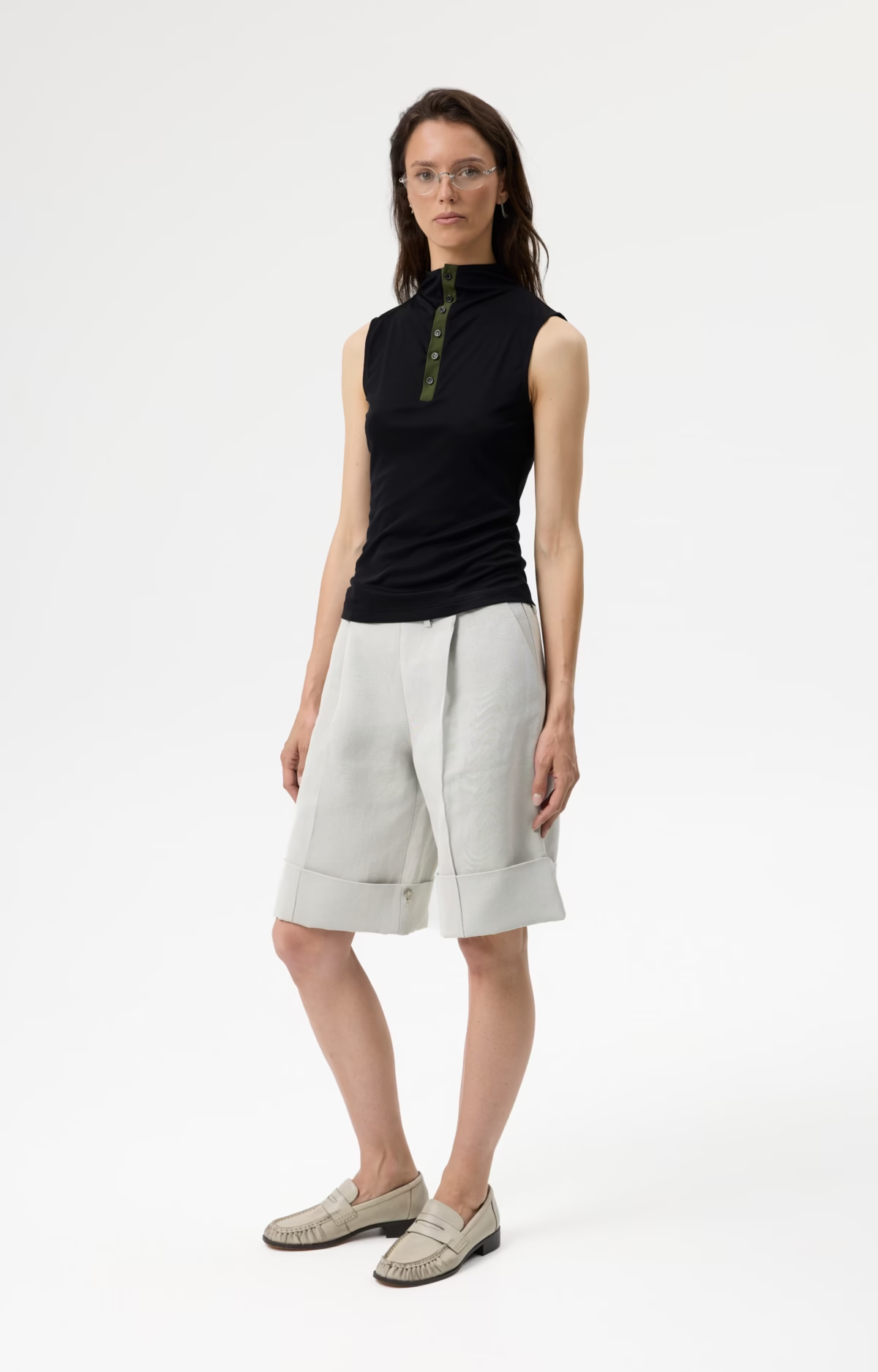
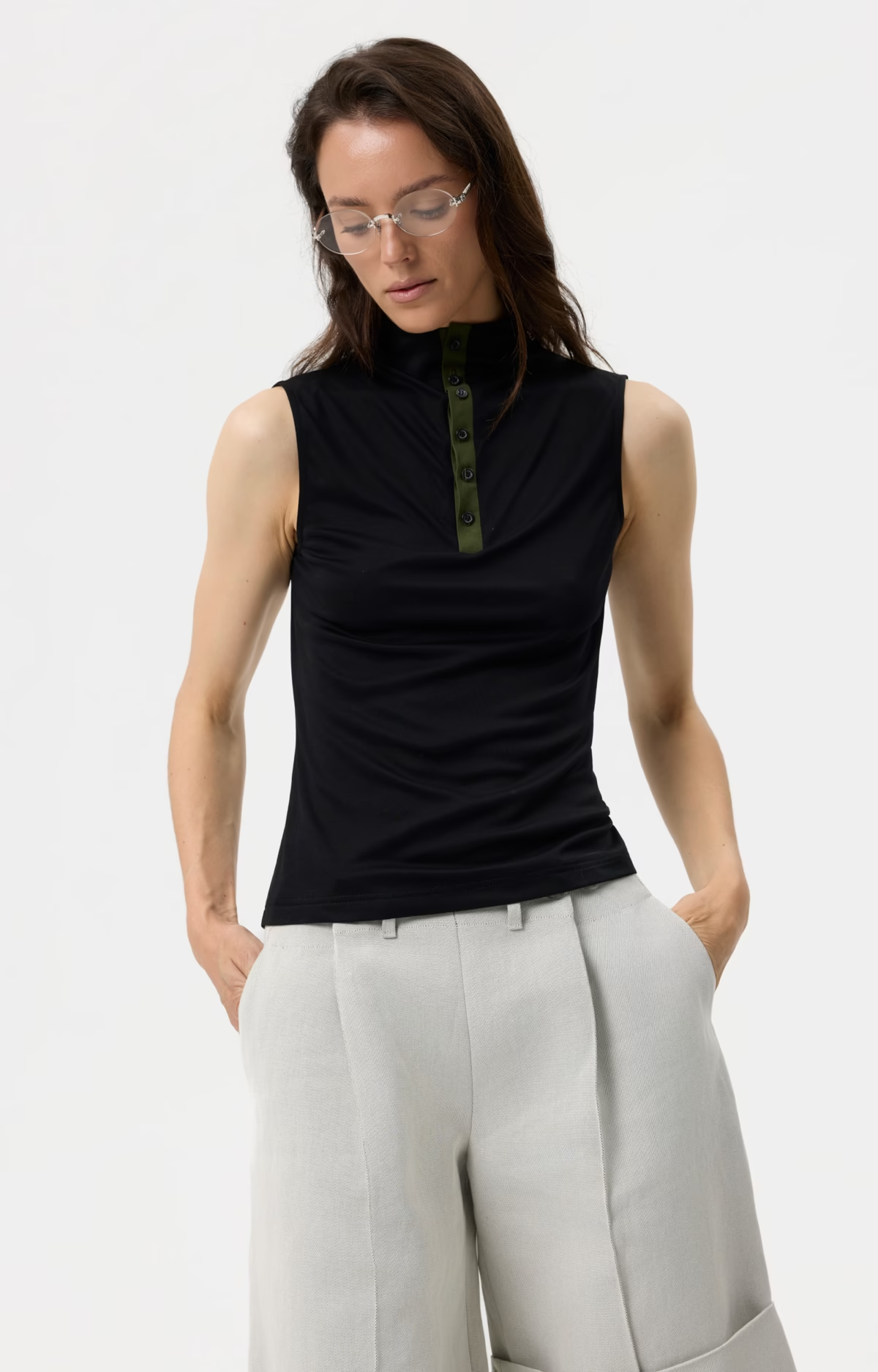
For Pre-Spring 2026, we introduced new plant- based materials into our collection, including bio-based seacell, bio-based and biodegradable microtencel, recycled and 100% organic Spanish cotton – grown and ginned in Andalusia before being spun, dyed, and knitted.
Developed by PYRATEX® – pioneers in natural performance materials – these fully traceable and certified materials celebrate the regional farming heritage it comes from, while supporting transparent and localized European supply chain and minimising environmental impact.
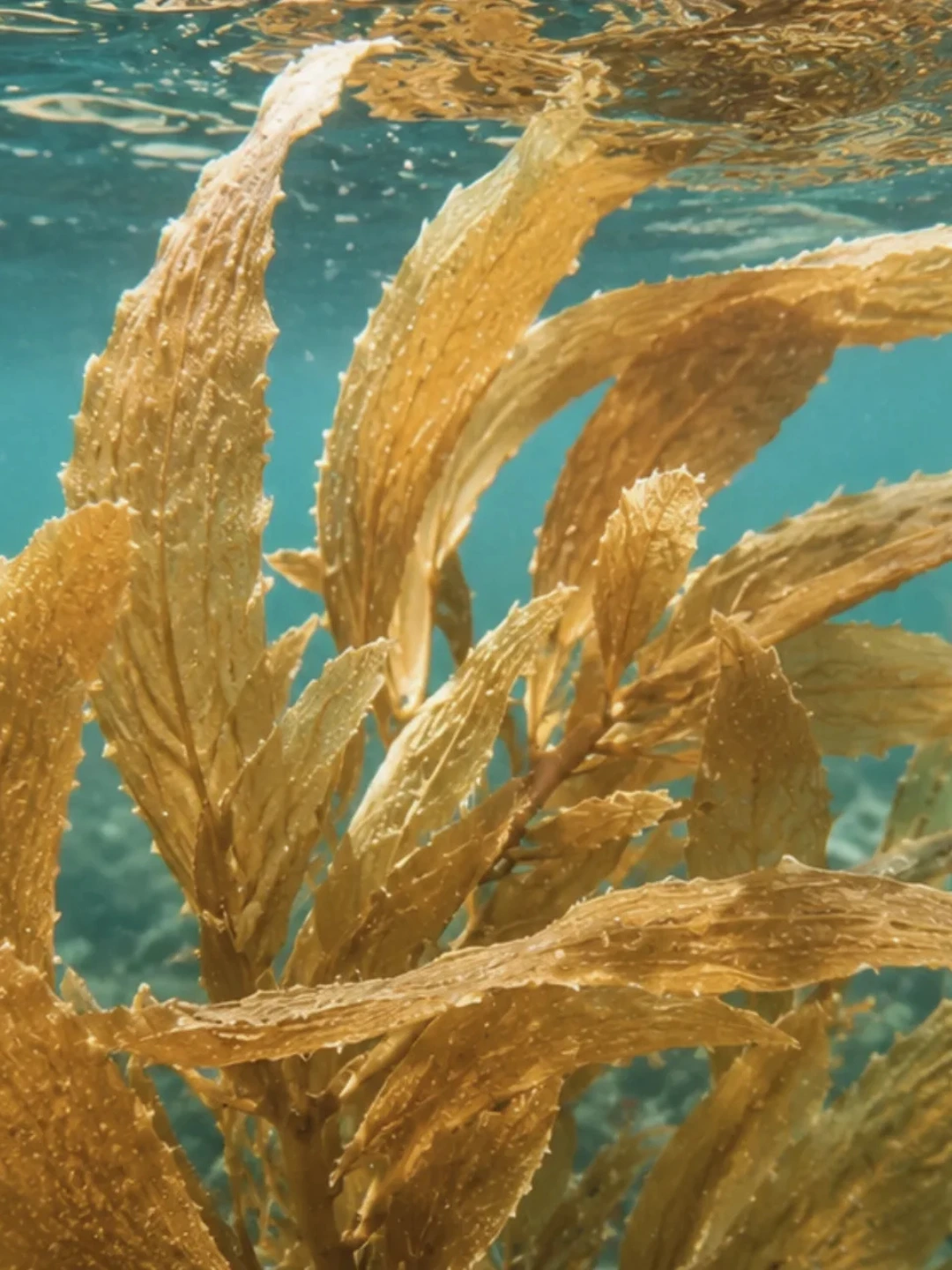
BIO-BASED SEACELL FIBER
Origin: SEAWEED
The bio-based seacell fiber is made from seaweed which is responsibly harvested from the sparsely populated fjords of Iceland through a selective process that allows the plant to regenerate naturally. The seaweed is then blended with a wood-pulp solution resulting in the final seacell fiber which is then spun into our high-quality seacell fabrics.
The addition of seaweed in the fabric provides valuable properties that have been certified by European laboratories, offering anti-irritation and skincare benefits.
BIO-BASED, RENEWABLE TENCEL
Origin: WOOD
Bringing the power of nature, PYRATEX® power family introduces the functionality of synthetic fabrics in an all-natural, wood-based renewable fiber sourced from sustainably managed European forests.
The wood fiber in fabrics are OEKO-TEX certified, originates and are produced in Austria. The fiber is developed with various tree species, including eucalyptus, spruce, pine, birch and beech. All of the trees are grown in natural forests and sustainably managed plantations, without any kind of chemical fertilisers or artificial irrigation.
Close to 100% of the wood and pulp is FSC® or PEFC™ certified. The resulting fibers are fully biodegradable under soil and marine conditions, as well as compostable, and the water scarcity impact is 1.7 times lower than that of generic viscose fibers.
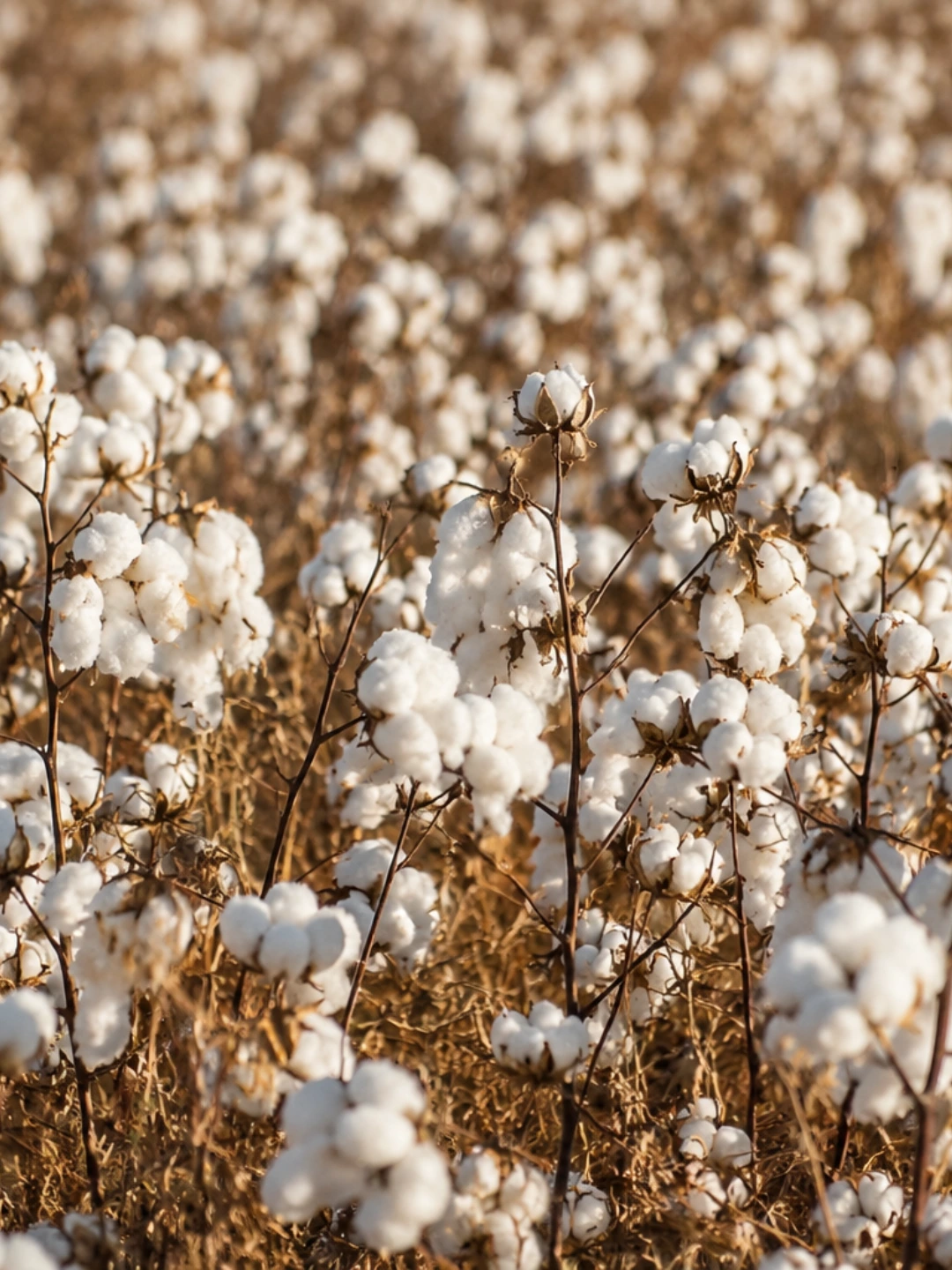
100% ORGANIC COTTON FROM SPAIN
The PYRATEX® solea family is made from 100% traceable Spanish cotton, created with the goal of a zero-kilometer fabric-fully produced in Spain and Portugal.
Historically, the world’s cotton is almost entirely sourced from Asia or America, with European-grown cotton often exported for processing and fabric production elsewhere. In contrast, Spanish cotton is cultivated on 400 hectares in Seville and Córdoba, where it is processed and ginned and then spun and knitted in Portugal. Localized supply chain reduces transportation emissions and allows greater traceability of the fiber back to the farm and enhanced quality control. European Union regulations on cotton cultivation guarantee that the cotton used is free from genetically modified organisms (GMO).